Revamp Your Yard With Professional Synthetic Turf Placement
Transforming a yard with expert synthetic turf installation offers numerous advantages. Homeowners can achieve a lush, green landscape without the demands of traditional lawn care. Professional installers emphasize detailed preparation and top-quality materials, promising durability and appealing looks. With property values increasing and upkeep costs lowering, many are considering this modern solution. Still, prior to making a choice, it is important to evaluate the key benefits and considerations. Which factors should be considered in this change?
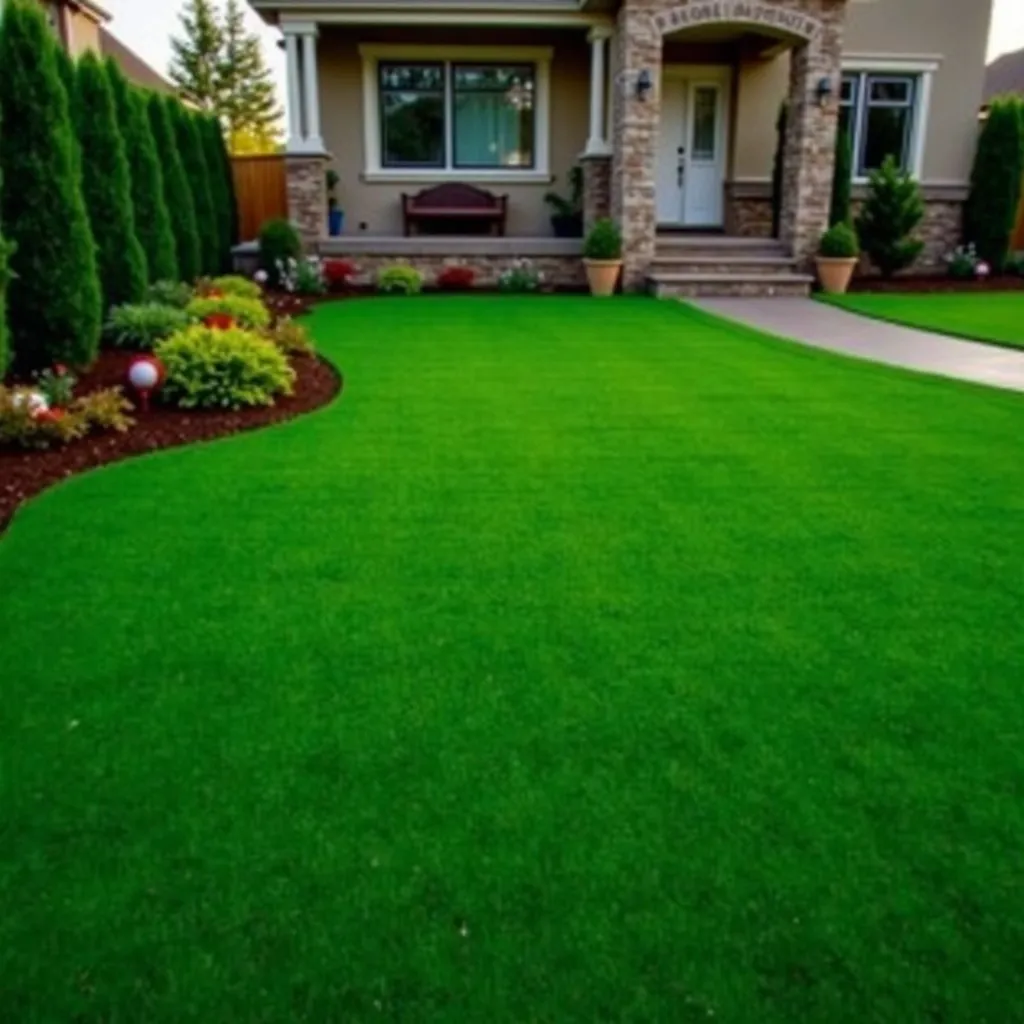
Why Select Synthetic Turf? Key Benefits Explored
Synthetic turf provides many benefits that make it an attractive choice for diverse applications. One significant benefit is its minimal maintenance requirement. Unlike natural grass, synthetic turf does not need regular mowing, watering, or fertilization, which saves time and resources. Additionally, it remains lush and green year-round, regardless of climate conditions, providing consistent aesthetics.
An additional advantage is durability; synthetic turf can endure heavy foot traffic and adverse weather without degrading. This resilience makes it ideal for sports fields, playgrounds, and residential lawns. Moreover, synthetic turf is engineered to be safe and non-toxic, reducing the risk of allergens and pests.
Cost-effectiveness remains a key benefit, as it can contribute to minimized water costs and decreased upkeep expenses over time. Overall, the union of aesthetics, durability, safety, and financial savings makes synthetic turf an increasingly favored choice for residents and enterprises alike.
Finding the Most Suitable Kind of Man-made Turf
Selecting the ideal category of artificial grass necessitates numerous important considerations. Factors such as pile height, resistance to wear, and accessible color and texture options contribute an integral component in confirming the turf achieves specific objectives. Understanding these elements enables in reaching a informed decision that aligns with functional requirements and aesthetic preferences.
Turf Pile Height Requirements
When choosing the appropriate type of synthetic turf, pile height has an crucial role in both aesthetics and performance. Pile height, which indicates the length of the grass blades, considerably affects the visual appeal and functionality of the turf. Shorter piles, typically around 1 to 1.5 inches, give a more neat look and are often suitable for busy areas, as they resist flattening. Conversely, taller piles, measuring 2 to 2.5 inches, provide a thick, natural appearance, perfect for residential lawns and recreational spaces. However, taller turf may require more maintenance to maintain its structure. Ultimately, selecting the appropriate pile height involves balancing appearance choices with pragmatic considerations to attain the desired outcome for any outdoor space.
Component Resilience Factors
Durability is a critical consideration in determining the right type of synthetic turf. When considering synthetic grass, one must examine the makeup essential information used in its development, as they directly impact longevity and performance. High-quality polyethylene fibers are often chosen for their protection from wear and fading, while nylon options deliver superior resilience under heavy foot traffic. Additionally, the turf's backing material assumes a significant role; a robust, UV-treated backing can strengthen stability and prevent deterioration over time. Understanding the infill options is also essential, as certain materials can boost cushioning and help preserve turf shape. Ultimately, selecting durable synthetic turf guarantees that the investment manages environmental challenges while delivering lasting beauty and functionality.
Color and Texture Varieties
While synthetic turf's appeal largely comes from its color and texture selections, deciding on the right mix can enhance the entire landscape. Homeowners possess a selection of shades to evaluate, ranging from bright greens to toned-down earthy shades that look like real grass. Texture holds significance; varieties range from soft, gentle surfaces suitable for play areas to hardier, more resilient types fit for areas with heavy use. The combination of color and surface can establish focal points or blend smoothly with existing outdoor elements. Ultimately, choosing the right artificial turf not only boosts visual charm but also fulfills functional needs, ensuring the yard remains inviting and practical for various activities.
Preparing Your Yard for Artificial Turf Installation
Preparing a yard for synthetic turf installation entails several critical steps. First, reviewing the current landscape guarantees that the area is conducive for the new surface. Next, eliminating debris and obstacles, followed by straightening and grading the soil, creates an optimal foundation for the turf.
Analyze Your Existing Environment
What steps can homeowners take to guarantee their yard is ready for synthetic turf installation? First, they should assess the existing soil conditions, making sure it is well-draining and free of contaminants. Homeowners need to identify any slopes or irregular surfaces that may require leveling to provide a stable foundation for the turf. Additionally, they should consider the sun exposure and existing vegetation, as these factors influence the installation process and turf performance. It is also crucial to assess any irrigation systems, as they might need modification or removal. By carefully reviewing these elements, homeowners can create an ideal environment for synthetic turf, ensuring a successful and enduring installation. Proper assessment sets the stage for a seamless transformation of the yard.
Remove waste and obstacles
To secure a frictionless installation of synthetic turf, homeowners must first clean their yard of waste and barriers. This step is important for achieving a even terrain and ensuring proper drainage. Homeowners should begin by clearing away any rocks, branches, or leaves that may interfere with the installation process. Additionally, existing exterior furnishings, recreational items, and garden structures must be repositioned to grant unobstructed access to the installation area. It is wise to check for any underground utilities, as this can circumvent potential delays. By extensively preparing the space, homeowners design an suitable environment for synthetic turf installation, enabling a seamless process that enhances the overall appearance and functionality of the yard.
Level and Grade Soil
Achieving a level and graded surface is critical for the successful installation of synthetic turf. Correct ground treatment ensures excellent drainage and lowers the risk of unequal wearing. This process encompasses evaluating the yard's topography, finding depressed sections, and addressing any high areas. Working with a rake or grading device, the soil can be leveled and compressed, creating a even base. It is important to eliminate any rocks, roots, or debris that could interfere with the installation. Additionally, confirming the grade moves water from properties helps stop standing water and improves longevity. Bringing in professionals in this step can enhance accuracy, leading to a beautiful, practical outdoor space that meets the visual and functional needs of homeowners.
How Does Expert Installation Enhance Durability?
While various factors determine the longevity of synthetic turf, expert installation plays an essential role in enhancing its toughness. Expert installers confirm that the turf is laid on a properly prepared base, which includes tamping the sub-base to hinder settling and uneven wear over time. This preparation minimizes the risk of shifting or wrinkling that can occur with improper installation.
Additionally, professionals apply high-quality adhesives and seams, which are critical for maintaining the quality of the turf. Precision in cutting and assembling pieces stops fraying and enhances the final look.
In addition, a professional grasps the significance of correct infill placement, which reinforces the surface and adds stability. By following industry standards and proven methods, professional installers establish a robust foundation that substantially extends the lifespan of synthetic turf, guaranteeing it withstands heavy foot traffic and varying weather conditions without deteriorating.
What Should You Anticipate During Implementation?
Synthetic turf placement progresses in a series of organized steps that guarantee a seamless output. At the outset, the area is sized and marked, ensuring accurate orientation and protection. After this, the existing grass and debris are eliminated, creating a pristine base. The ground is graded to promote proper water management, a vital component in stopping water collection.
Next, a erosion control fabric is placed to restrict subsequent weed proliferation, followed by the application of a compacted structural base, usually made up of crushed stone or decomposed granite. This layer promotes stability and comfort underfoot. Afterward, the synthetic turf rolls are thoroughly positioned, ensuring minimal seams and supreme aesthetic appeal.
The final steps include securing the turf with stakes or adhesive, followed by infilling with sand or synthetic pellets to improve longevity and replicate natural grass. This comprehensive procedure culminates in a beautiful, easy-care lawn prepared for immediate use.
Easy Maintenance Strategies for Your Synthetic Lawn
Taking care of a synthetic lawn is easy and requires little effort. Regular upkeep includes a small number of easy tasks to keep the turf looking clean. Initially, occasional brushing with a hard broom can lift the fibers and stop matting, guaranteeing a natural appearance.
Next, debris such as leaves or twigs should be eliminated frequently, either through manual removal or a leaf blower, to avoid accumulation and possible staining. If pets are present, promptly cleaning up pet messes is important, as it minimizes odors and maintains hygiene.
Additionally, rinsing the surface with water can help eliminate dust and irritants, creating the lawn more pleasant for everyone. For areas facing high foot traffic, periodic infill replenishment may be necessary to preserve stability and appearance. Implementing these simple approaches allows homeowners to maintain a vibrant, low-maintenance lawn year-round.
Evaluating the Costs: Is Synthetic Turf A Smart Investment?
How does one assess the value of synthetic turf in comparison to traditional grass? Calculating costs involves accounting for both initial installation and long-term maintenance. While the upfront expense of synthetic turf can be significant—ranging from $5 to $20 per square foot—its longevity often makes it a budget-friendly choice. Synthetic lawns can last 15 to 25 years without the need for constant mowing, watering, and fertilizing, substantially reducing ongoing operational expenses.
Owners of homes must examine the environmental impact. Synthetic turf eliminates the need of pesticides and herbicides, advancing a more sustainable landscape. Also, it supplies a consistent, green appearance throughout the year, which can improve property value.
In the end, the importance of synthetic turf is based on personal choices and situations. For those pursuing low maintenance and aesthetic appeal, the investment may be justified, while traditional grass might still serve others' needs better.
Questions That Are Frequently Posed
Is It Possible to Lay Synthetic Turf Over Existing Grass?
Yes, artificial grass can be placed over existing grass, but adequate groundwork is essential. This requires making sure the grass is flattened and free of debris to establish a suitable foundation for the new grass application.
What Is the Durability of Synthetic Turf Commonly?
Artificial turf commonly endures between 15 to 25 years, contingent on factors such as quality, maintenance, and environmental conditions. Routine maintenance can boost its durability, making it a robust option for varied landscaping needs.
Is Man-made Turf Safe for Pets and Kids?
Synthetic turf generally offers security for pets and children, as it is engineered to be non-toxic and devoid of dangerous substances. Consistent upkeep guarantees cleanliness, promoting a safe recreational space for both pets and kids.
Can Synthetic Turf Be Recycled?
Yes, artificial turf can be reused. Many manufacturers offer schemes to reclaim old grass, permitting it to be transformed into new materials. This aids cut waste and encourages green practices in landscaping solutions.
What Happens if It Rains After Installation?
Upon completion, synthetic turf usually handles water drainage well, eliminating standing water. That said, it may call for light maintenance post-rain, such as brushing or removing debris, to assure peak performance and appearance when weather is wet.